Panasonic’s New Toughbook Line Aims To Support AI And Operational Resilience At The Edge
Panasonic's new Toughbook 34 and Toughbook G3 rugged devices target utility, manufacturing and field-service organizations with AI-ready capabilities, modular expansion options and support for operationally critical workflows.
(Image source: Panasonic)
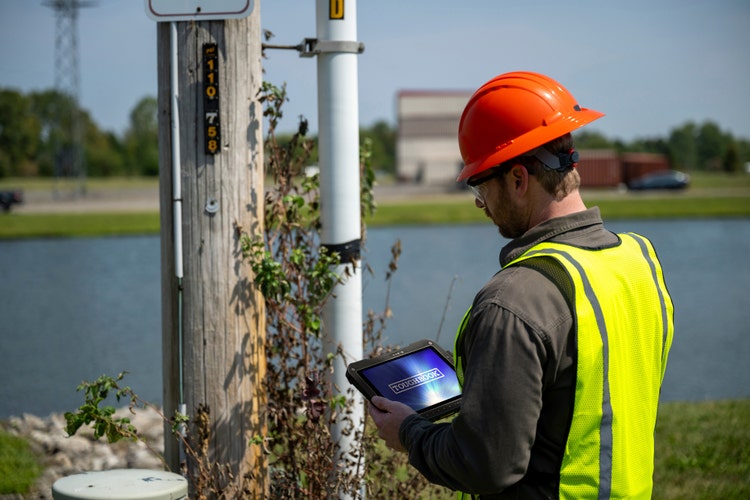
Panasonic Connect is rolling out two new Toughbook devices designed for frontline workers, with the company emphasizing AI readiness, modularity and long-term investment protection for organizations operating in demanding field environments.
The company recently unveiled the Toughbook 34 and Toughbook G3, rugged tablets built for sectors that perform mission-critical operations where downtime or connectivity struggles are not options.
For many midmarket organizations, particularly those in utilities, manufacturing, water treatment and other operationally intensive industries, field technology has become critical to maintaining infrastructure and supporting frontline workers.
Recent MES Computing coverage has highlighted how operational technology challenges often extend beyond cybersecurity concerns. During a recent episode of Ready.Set.Midmarket! OT security experts Joe Weiss and Mike Carr argued that organizations often focus on protecting networks at the expense of tending to the physical systems that drive operations. In those environments, worker access to reliable data, diagnostics and asset information can directly impact operations, they advised.
[RELATED: Why OT Security Keeps Missing The Real Risk]
Panasonic’s messaging around its new Toughbook lines reflect some of those challenges. During a briefing with MES Computing, Jeff Delatore, Panasonic’s management leader for Toughbook, said the company designed the devices for environments where “downtime and failure are not an option,” noting how utility crews, field maintenance workers, law enforcement and emergency services workers who depend on content access to operational systems and data.
The two devices were developed on a common platform with aligned processor, graphics, memory and operating system options, allowing organizations to standardize deployments while selecting different form factors based on user needs, he said, adding, “We want the tool to enhance their capabilities and amplify their ability, not get in the way.”
For midmarket IT leaders, the announcement about a new line of Toughbooks isn’t the news. Panasonic’s launched the first line of rugged laptops in 1996 and even then, designed these devices for users in intense environments like the military and field workers.
The most significant news is the newly bundled AI capabilities, signaling Panasonic’s focus on future AI adoption. These devices use Intel processors with integrated neural processing units (NPUs), enabling AI-assisted workloads to run locally on the device rather than relying completely on cloud connectivity.
The launch also comes as many midmarket organizations are moving beyond AI experimentation and focusing on practical operational use cases, as indicated by the results of MES Computing’s 2026 IT Leader Spending Intent Survey.
Delatore said on-device AI capabilities could support field applications such as predictive maintenance, diagnostics and faster access to GIS mapping and operational data.
“The devices are AI-ready,” he said. “When customers identify which AI tools and workflows they want to deploy, they can do that based on these devices, whether that’s now or one, two, three years from now.”
When asked about how the new devices can address some of the challenges midmarket organizations in mission-critical sectors face, Delatore said many share the same operational requirements as larger enterprises but often have smaller IT teams and fewer deployment resources.
He pointed to Panasonic’s deployment and provisioning services, along with the device’s modular design, as ways smaller IT teams can reduce complexity and support workers who often serve in multiple roles.
The new Toughbook models feature hot-swappable battery options, Wi-Fi 7 support as well as support for all major U.S. carrier networks, as well as configurable expansion options that support barcodes, RFID and serial devices.
Delatore said the flexibility can be particularly valuable in environments such as utilities, manufacturing and water treatment facilities, where a single worker may need one device that can service multiple operational purposes throughout the day.
View the Toughbook 34 and G3 models:
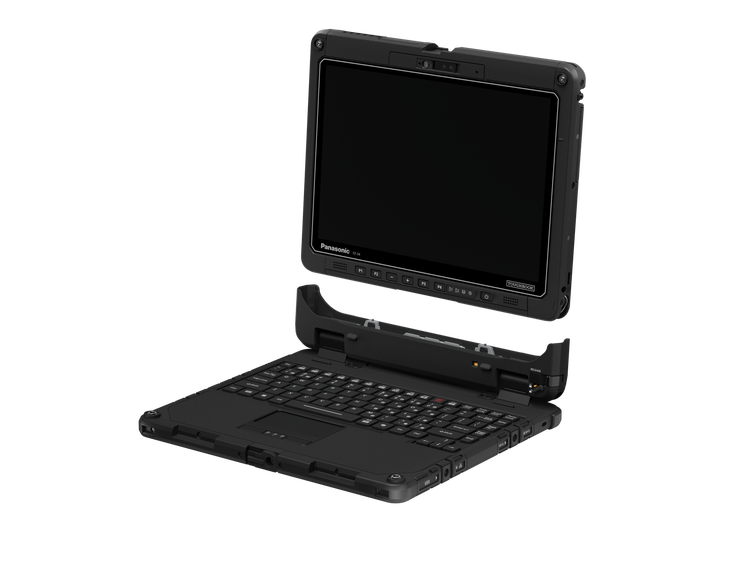
(Panasonic Toughbook 34, image source: Panasonic)
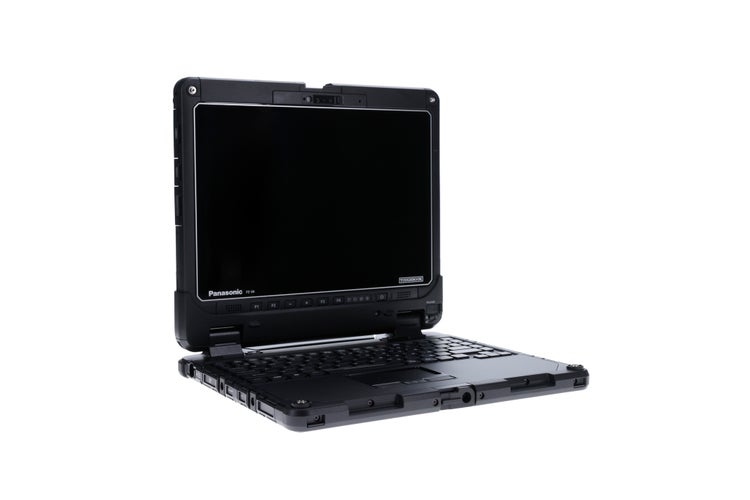
(Panasonic Toughbook 34, image source: Panasonic)
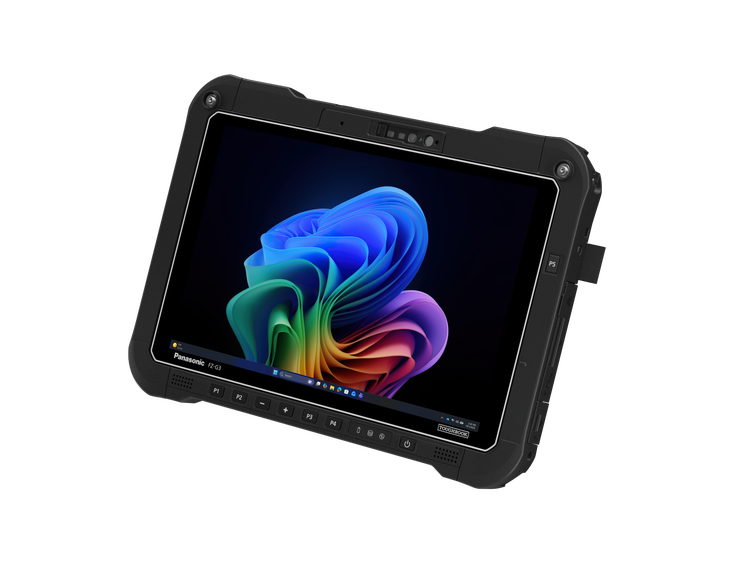
(Panasonic Toughbook G3, image source: Panasonic)
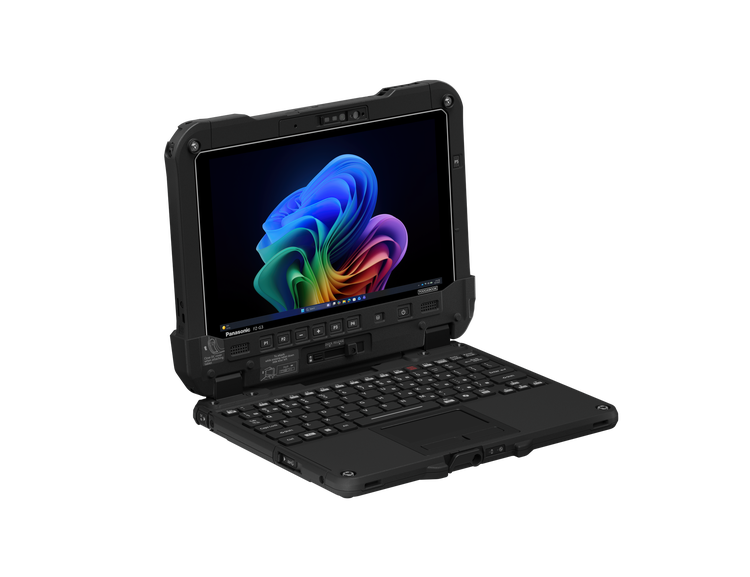
(Panasonic Toughbook G3, image source: Panasonic)
(Panasonic Toughbook G3, image source: Panasonic)