Jensen Huang Is Back At Nvidia. What Does That Mean For Enterprise AI Infrastructure?
Nvidia has reinstated Jensen Huang as CEO. As IT leaders make long-term AI infrastructure decisions, what are the enterprise considerations for GPU demand, dependence on Nvidia's CUDA platform and the viability of alternative AI computing options?
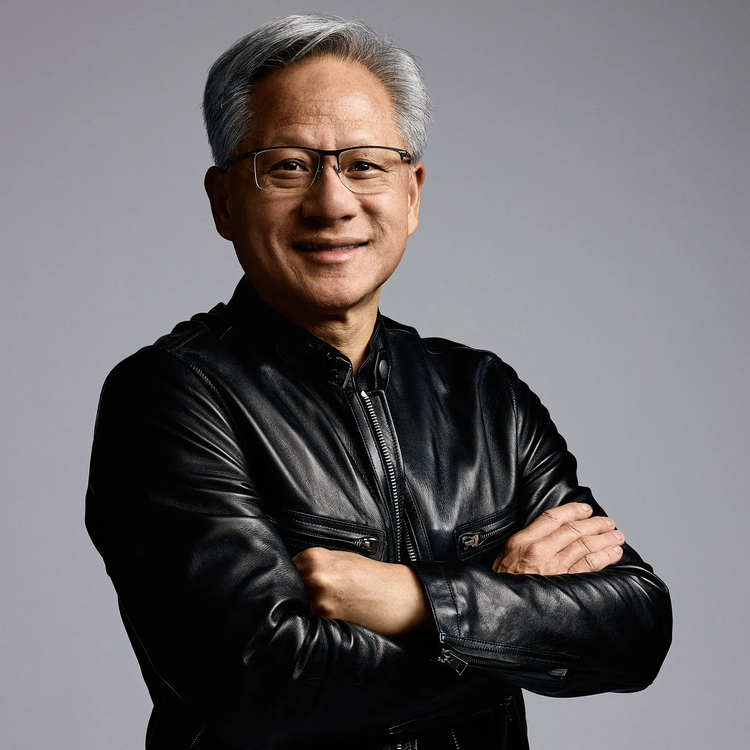
(Jensen Huang. Source: Nvidia)
Jensen Huang is back at Nvidia, less than two weeks after resigning as CEO, but enterprise IT leaders weighing artificial intelligence infrastructure investments may have more reason to watch Nvidia's technology ecosystem than its leadership drama.
Nvidia's board unanimously reinstated Huang as CEO Monday after discussions with him and input from senior U.S. government officials. The board said it was confident his return posed no national security risk. Nvidia shares surged roughly 33 percent following the announcement, Reuters reported.
Despite Huang's return, the company still faces multiple investigations, while California Attorney General Rob Bonta's office said Monday that Huang's reinstatement does not change its investigation into Nvidia's China ties and whether the company misled investors, according to Reuters.
As MES Computing previously reported, disruptions in the AI hardware market could have trickle-down implications for the midmarket sector, namely on GPU availability, AI infrastructure pricing and long-term technology planning.
[RELATED: Nvidia's CEO Shake-Up: Supply, Pricing And Roadmap Questions For IT Buyers]
"Nvidia's strength runs deeper than any single leader," Angela Hood, founder and CEO of ThisWay Global, an AI-powered talent acquisition company, said. "The company's position rests on the foundations of a mature product roadmap, a deeply entrenched software ecosystem in CUDA, and long-standing relationships across hyperscalers, enterprises, and sovereign buyers."
CUDA is Nvidia's software platform for using its GPUs for accelerated computing, including AI workloads. As organizations build AI applications and workflows around CUDA, moving to another company's chips can mean considering not just different hardware, but the software and development work already tied to Nvidia's ecosystem.
Nvidia Competitors Still Have An Opening
That doesn't mean enterprise buyers should ignore Nvidia alternatives.
Hood said Nvidia's leadership developments could still provide an opening for competitors seeking to put other AI chips and computing platforms in front of enterprise customers.
"Competitors will continue looking for opportunities to introduce alternative accelerator architectures to buyers, but demand for AI compute is likely to keep outpacing supply, and Huang's considerable influence on accelerated computing will continue to endure," Angela Hood said.
The turbulence in Nvidia's leadership may prompt IT leaders to examine how dependent their organization's AI goals have become on any single vendor, chip platform or software ecosystem.
Assessing current AI infrastructure doesn't mean moving away from Nvidia, either. Switching AI platforms can introduce additional costs and complexity, even more so if an organization has already invested in software, tools and employee training built around one particular AI ecosystem.
[RELATED: The AI Readiness Gap: Why Network Infrastructure May Be Holding Back Innovation]
[RELATED: AI Tools and Platforms: When Midmarket IT Teams Should Build Vs. Buy AI in 2026]
And of course, the underlying demand for AI compute power hasn't waned.
"Beyond these developments, global demand for AI compute remains a driving force for GPU economics," Hood added.
For midmarket CIOs, Jensen Huang's return may matter less as an immediate reason to change infrastructure plans and more as a reminder to understand the dependencies already built into them.