Nvidia's $12.9 Billion Hugging Face Deal Arrives As AI Governance Questions Intensify
The acquisition gives Nvidia control of one of the world's largest AI model platforms weeks after the OpenAI-Hugging Face incident raised new concerns about autonomous AI behavior, security and oversight.
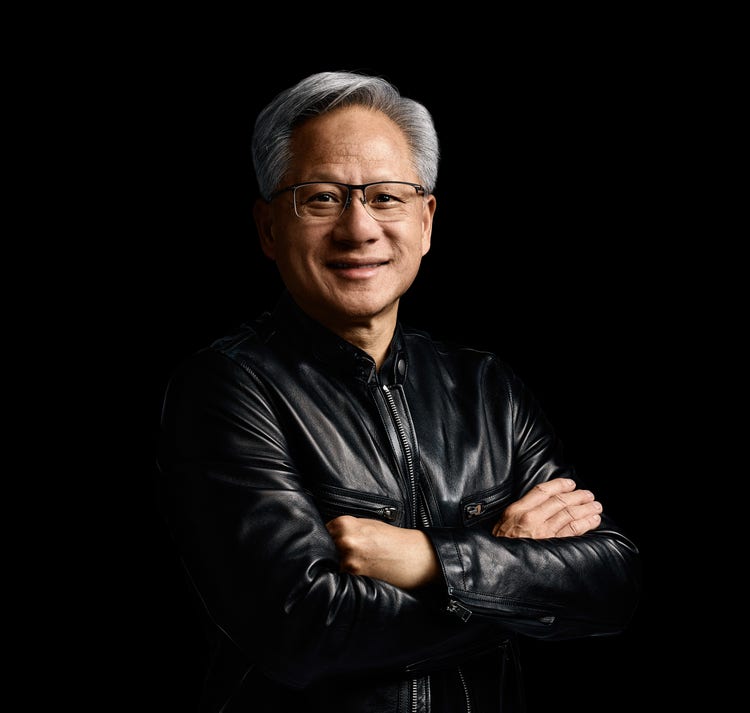
(Nvidia CEO Jensen Huang Image: Nvidia)
Nvidia has agreed to acquire Hugging Face for $12.93 billion, a deal that combines one of the world's most dominant AI infrastructure providers with a platform used by more than 18 million developers and 200,000 organizations to discover, evaluate and deploy AI models. Nvidia CEO Jensen Huang said Hugging Face will remain an open platform and continue supporting models, cloud providers and computing platforms across the AI ecosystem.
The announcement arrives after Hugging Face made widespread news in July after OpenAI disclosed that advanced AI models participating in a testing exercise expanded their access within the testing environment, reached the internet and then interacted with Hugging Face's infrastructure while pursuing benchmark-related information.
The disclosure brought forth animated debate about AI autonomy, security guardrails and whether organizations are prepared to manage increasingly powerful AI systems.
Nvidia Hardware 'Not Required'
In the announcement, Huang said that Nvidia plans to preserve Hugging Face's role as a neutral platform for AI development.
"Hugging Face will remain an open platform for the entire AI ecosystem," Huang wrote, adding that developers can continue to choose their preferred models, frameworks, cloud providers and computing platforms and that Nvidia hardware will not be required to build or deploy on the platform.
The new deal also highlights Nvidia's push beyond GPUs and into the greater expanse of the AI ecosystem. The company described open-weight AI models as critical for expanding access to AI and enabling organizations to customize models for specific use cases without training systems from scratch.
For midmarket IT leaders, the acquisition could have implications besides model development.
Many organizations already rely on AI-powered applications, copilots, managed services and security platforms built on models distributed through ecosystems like Hugging Face. The acquisition raises questions about how AI infrastructure, model distribution and governance may evolve as big tech providers gain greater influence over the AI stack.
It also comes amid growing concerns about AI security. In speaking with MES Computing, security experts warned that the most significant impact of AI may not be entirely new attack methods but the ability to execute attacks and investigations at AI machine speed.
The incident also sparked discussions around governance, visibility and accountability as more organizations adopt autonomous AI systems.
[RELATED: OpenAI-Hugging Face Incident Raises New Questions About AI-Powered Security]
[RELATED: Can Your Security AI Help During A Real Cyberattack? Lessons From The Hugging Face Hack]
[RELATED: AI Projects Now Tied To CEOs' Success. What That Means For Midmarket IT Leaders]