Meta Agrees To $17B Settlement Over Teen Safety Rules
The agreement was reached in record time.
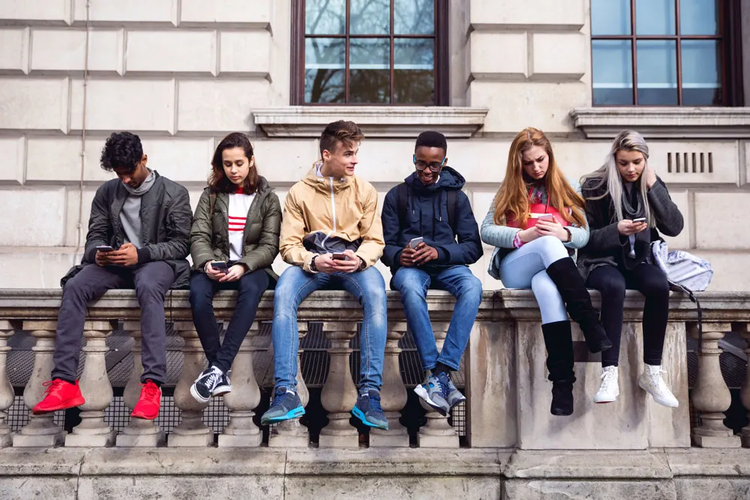
Meta has agreed to pay $17.1 billion and introduce child safety restrictions as part of a major settlement with US states – reached in just five days.
The agreement resolves claims brought by 47 states, districts and territories and means Meta will avoid the remainder of a trial that could have resulted in penalties running into hundreds of billions of dollars.
We expected months of legal wrangling, but in the end the entire process took just five days and closed before Mark Zuckerberg was even called to the stand – though Meta has been quick to point out that the speed of agreement is not an admission of wrongdoing.
The settlement, agreed with 29 state attorneys general, is expected to officially end the trial once it receives approval from a judge.
Under the agreement, Meta must develop an age-assurance system that is independently tested. It will also have to use reliable age signals provided by Apple and Google through their app stores and operating systems.
The company must attempt to identify multiple accounts belonging to the same person, in an effort to stop users from bypassing restrictions.
Users claiming to be over 18 who fail to complete the age-assurance process within two weeks will face measures designed to limit contact with teenagers and will receive content recommendations based on age-appropriate experiences.
Meta will provide an appeal process for people who believe they have been incorrectly restricted.
Limits On Feeds, Notifications And Screen Time
The settlement imposes a range of new restrictions on "teenage" accounts (younger children are officially not allowed to use Meta's apps, but without appropriate age verification many do) across Meta's platforms.
Teenagers will have the option to switch off personalized feeds, meaning they will no longer receive content selected according to Meta's recommendation algorithms.
Push notifications will be suspended between 22:00 and 07:00, as well as during school hours, unless parents choose to disable those restrictions.
Teenagers will also generally be limited to two hours of daily use of Meta's apps, although messaging and long-form content will be exempt.
The company will introduce "productive pauses" after 60 and 90 minutes of cumulative use, alongside a prominent warning after 15 minutes.
Other changes include disabling filters that simulate cosmetic procedures for teenagers and removing likes from posts to reduce social comparison.
Meta has also agreed not to make false or misleading claims about the effectiveness of its safety measures.
Changing The Way Platforms Operate
Indiana Attorney General Todd Rokita said the agreement was about more than financial penalties.
"This is not just about money," he said, adding that the aim was to change how platforms operate and prevent them from exploiting children's developing brains.
Meta expects to record a $10 billion charge in the current quarter as a result of the settlement.
The potential financial exposure had been a major concern for investors. Had the case gone to a jury verdict, penalties were expected to have reached as much as $1.4 trillion.
That would have been the case were the maximum penalty imposed for every child who used one of Meta's platforms for more than half an hour a day during a 12-year window.
While that was unlikely, a fine of hundreds of billions was still possible. By comparison, $18 billion paid over 10 years feels like small potatoes.
On top of that, part of the settlement is conditional. Meta has only agreed to pay $12.7 billion at first, with the further $5.3 billion only becoming due if YouTube and TikTok reach similar agreements with the states.
Those agreements would need to include a one-hour daily usage limit, restrictions during the night and age-assurance measures, as well as payments of roughly $5 billion each.
Meta has separately written to TikTok and YouTube, urging them to join the agreement.
The company said its restrictions would be less effective if teenagers could simply move to another platform after limits were introduced on one service.
The states involved have indicated that they intend to pursue similar protections from other services, including Discord, Snapchat, Roblox, YouTube and TikTok.
This article originally appeared on MES Computing's sister site Computing.